Another Long Night of the Sciences at Technische Universität Berlin in Steglitz, Berlin
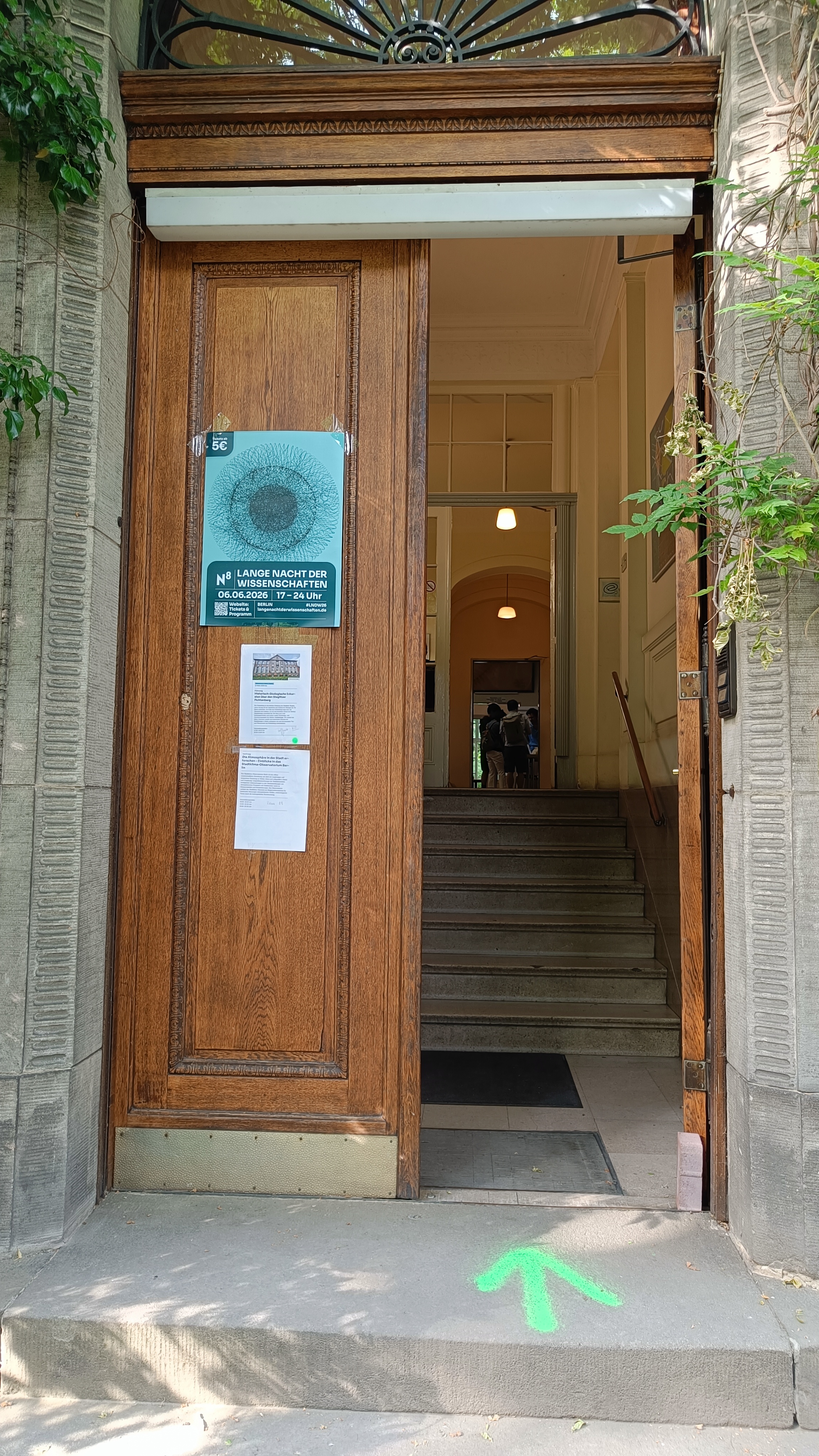
For the second time, we were delighted to take part in Berlin’s Long Night of the Sciences (Lange Nacht der Wissenschaften, LNDW). Following the excitement of our first participation, we once again welcomed curious visitors to explore ecological research, discover new perspectives on the environment, and experience science firsthand. With much of TU Berlin’s main campus closed for the event, our building in Steglitz was among the few TU locations open to visitors.
Throughout the afternoon and into the evening, our activities and guided tours attracted a diverse audience, from curious children and families to science enthusiasts eager to learn more about our research. The enthusiasm, thoughtful questions, and lively conversations made the evening a memorable experience for everyone involved.
Our program offered a variety of interactive activities and insights into ongoing research:
Squirrel Detectives: Children became young researchers, discovering how squirrels live, what they eat beyond nuts, and how they contribute to forest ecosystems.
Exploring the City Atmosphere: Visitors learned about the Urban Climate Observatory Berlin and how long-term data on weather, air quality, and climate reveal the complex relationship between urban structures and atmospheric processes.
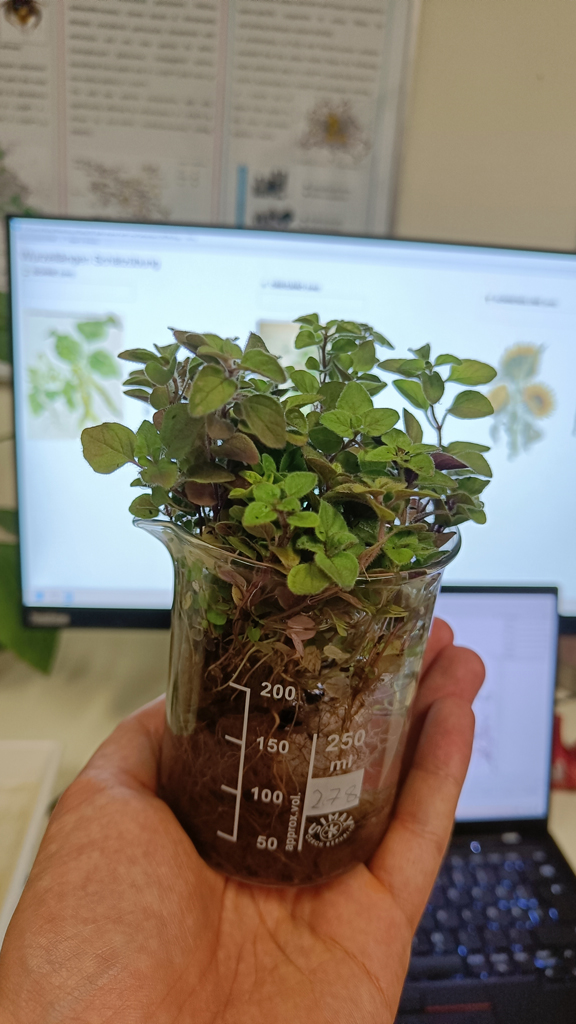
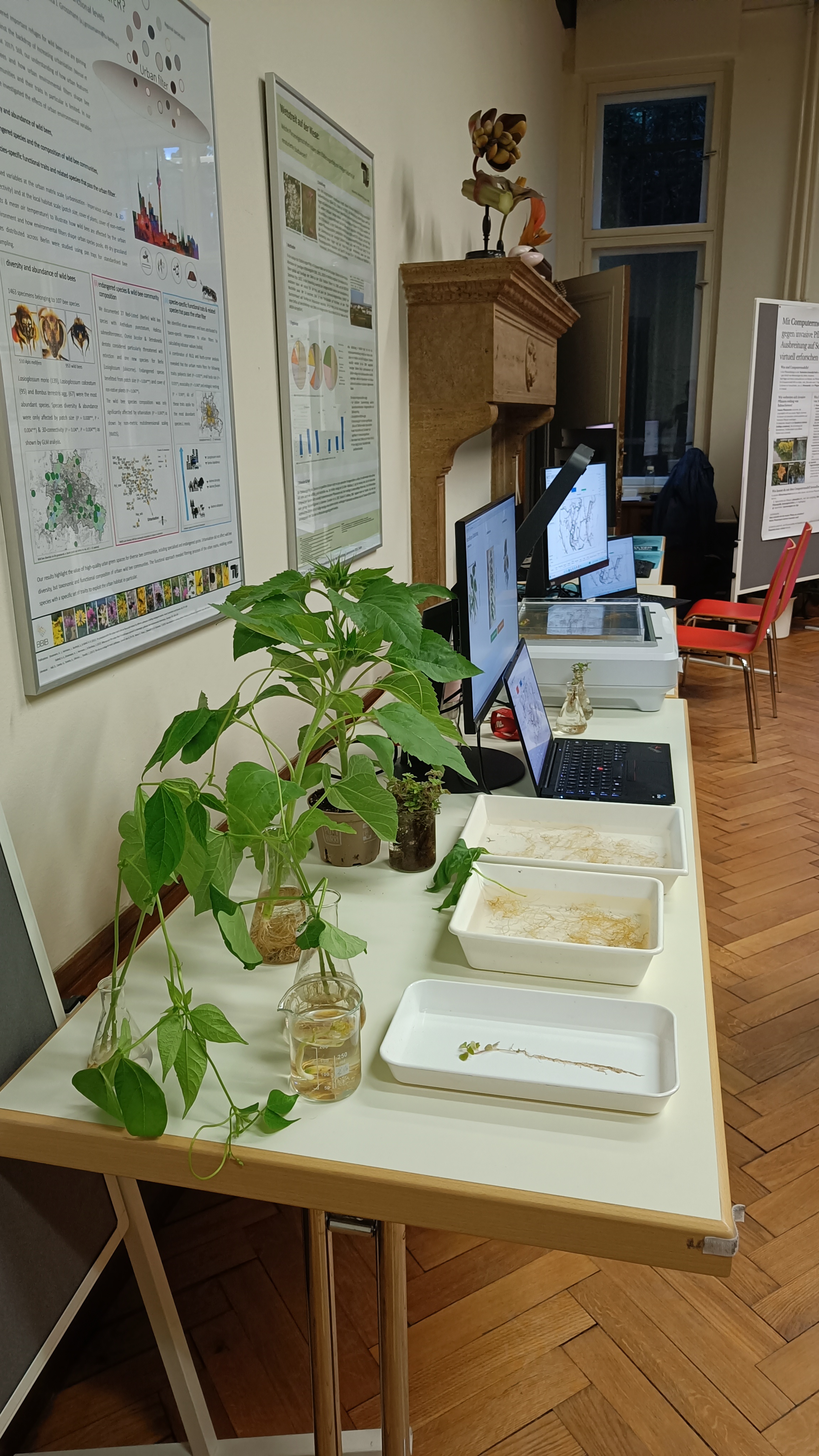
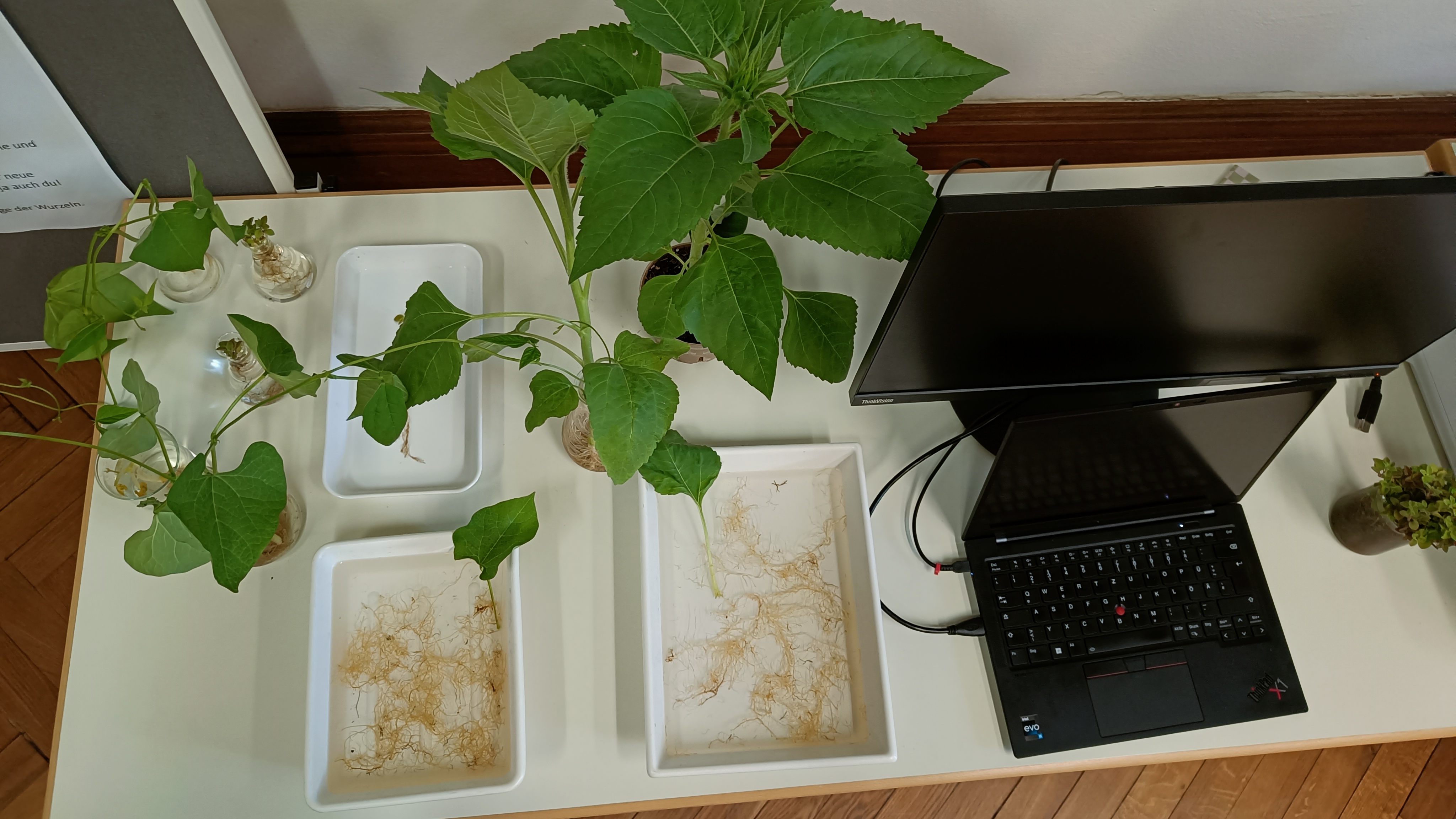
The Hidden World of Roots: Participants examined the invisible life of roots, scanned samples, analyzed their structures, and learned how roots stabilize soils and sustain plant life.
Historical-Ecological Excursion: A guided walk explored the Fichtenberg, the birthplace of Berlin’s urban ecology, combining history, ecology, and insights into local biodiversity.
Computer Models to Study Invasive Plants: An interactive simulation demonstrated how invasive plants, such as the Canadian goldenrod, spread along railway lines and how computer models can help manage these processes effectively.
Plant Seagrass: An interactive app introduced participants to the importance of seagrass ecosystems. Through a mini-quiz and a symbolic planting activity, visitors could see how individual contributions support restoration and conservation efforts.
The evening was a wonderful success, filled with curiosity, inspiring conversations, and shared enthusiasm for science. Once again, the Long Night of the Sciences reminded us how rewarding it is to make research accessible and bring scientific ideas closer to the public. Engaging directly with visitors offered valuable opportunities to exchange perspectives, spark new ideas, and share our passion for ecological research.
A heartfelt thank-you to everyone who visited, participated in our activities, and helped make the event such a memorable experience. We are already looking forward to the next Long Night of the Sciences and to sharing even more discoveries with you!

Sebastian Fiedler
Postdoctoral researcher
I am a researcher in the Department of Plant Ecology at the Technische Universität Berlin in Germany. I am applying simulation modelling and empirical approaches to assist restoration of degraded ecosystems people rely on for their well-being.