Conference in Brest, France
15th European Conference on Ecological Restoration - Plan For Tomorrow, Restore Now (24th to 28th Aug 2026)
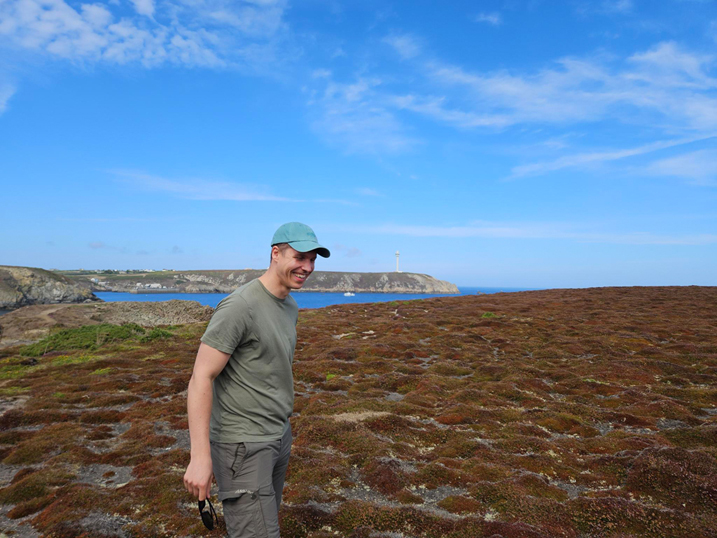 Field trip to Ouessant Island
In 2026, I had the pleasure of attending the Society for Ecological Restoration Europe (SERE) conference in Brest, France. The conference brought together researchers, practitioners, and students working on ecological restoration, providing an excellent opportunity to exchange ideas, discuss ongoing research, and explore new approaches to restoring ecosystems.
This year’s conference was particularly exciting for me for a new reason: for the first time, I organized and taught a full-day training course at a conference! Alongside the training course, I presented my research on simulation-informed landscape design and participated in a field trip exploring the management and restoration of coastal habitats on Ouessant Island. These three activities provided different perspectives on ecological restoration, ranging from simulation-based approaches and scientific research to practical restoration management.
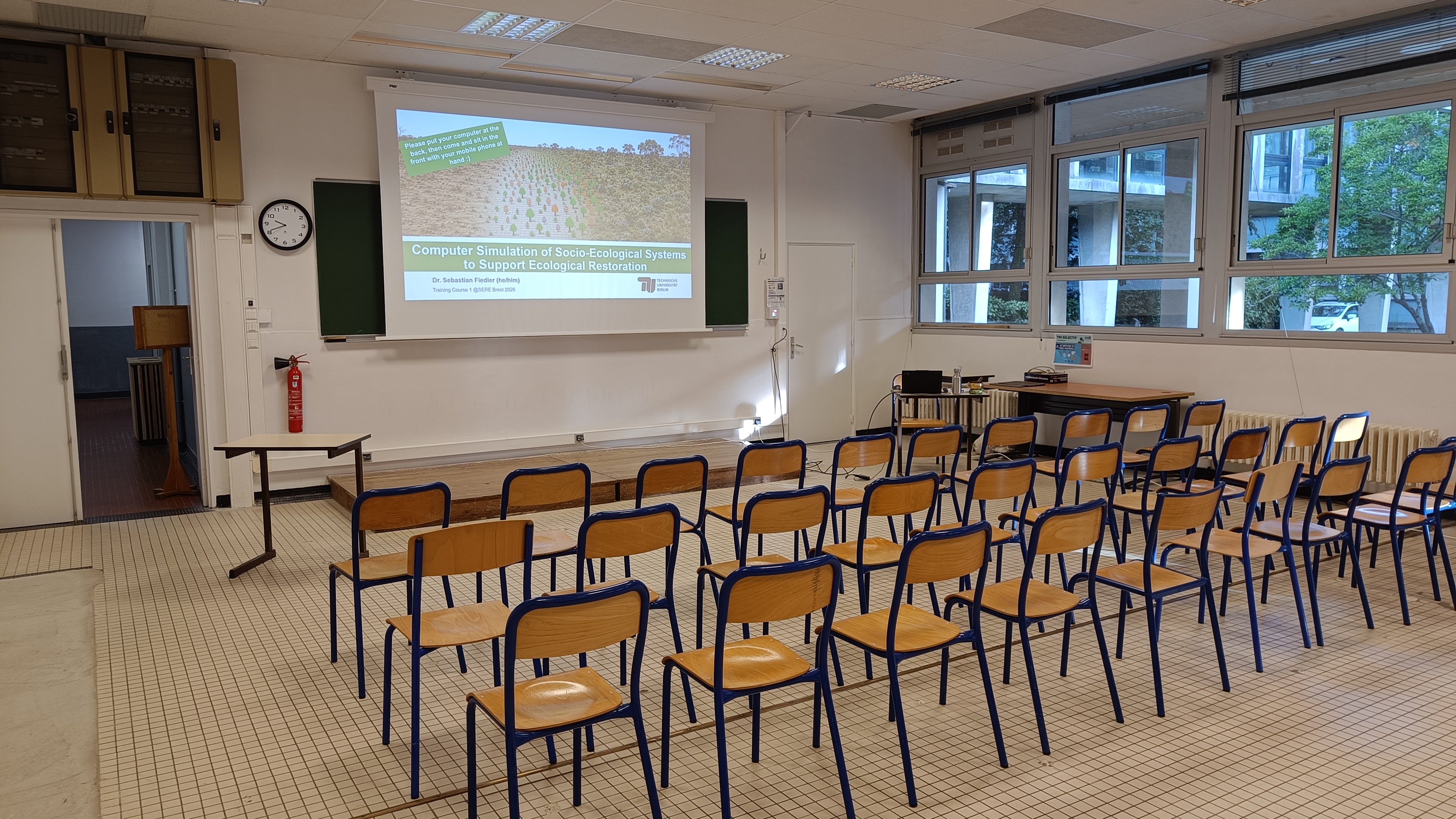
Training Course: Computer Simulation of Socio-Ecological Systems to Support Ecological Restoration
Understanding and predicting how ecosystems respond to restoration interventions requires tools capable of capturing the complex interactions between ecological processes, human decisions, and a changing environment. This one-day practical training course introduces participants to socio-ecological simulation models, with a focus on agent-based approaches increasingly used to support restoration planning. Agent-based models simulate individual organisms, people, or landscape elements and the local interactions that give rise to system-level patterns. Such models can, for example, help assess how different plant species selected for restoration may influence long-term ecosystem services—such as carbon storage, soil stability, or pollinator support—under changing climate conditions.
Participants will be introduced to the basics of building, running, and interpreting simple socio-ecological models using the open-source software NetLogo. No prior modelling or programming experience is required. Through guided exercises, attendees will use and further develop a basic model, experiment with restoration-relevant scenarios, and discuss how simulation models can complement empirical data and stakeholder knowledge. The training course is designed for practitioners, students, and researchers who want to better understand how socio-ecological models work, how to use them effectively—including their strengths and limitations—and how to begin developing simple models to support ecological restoration.
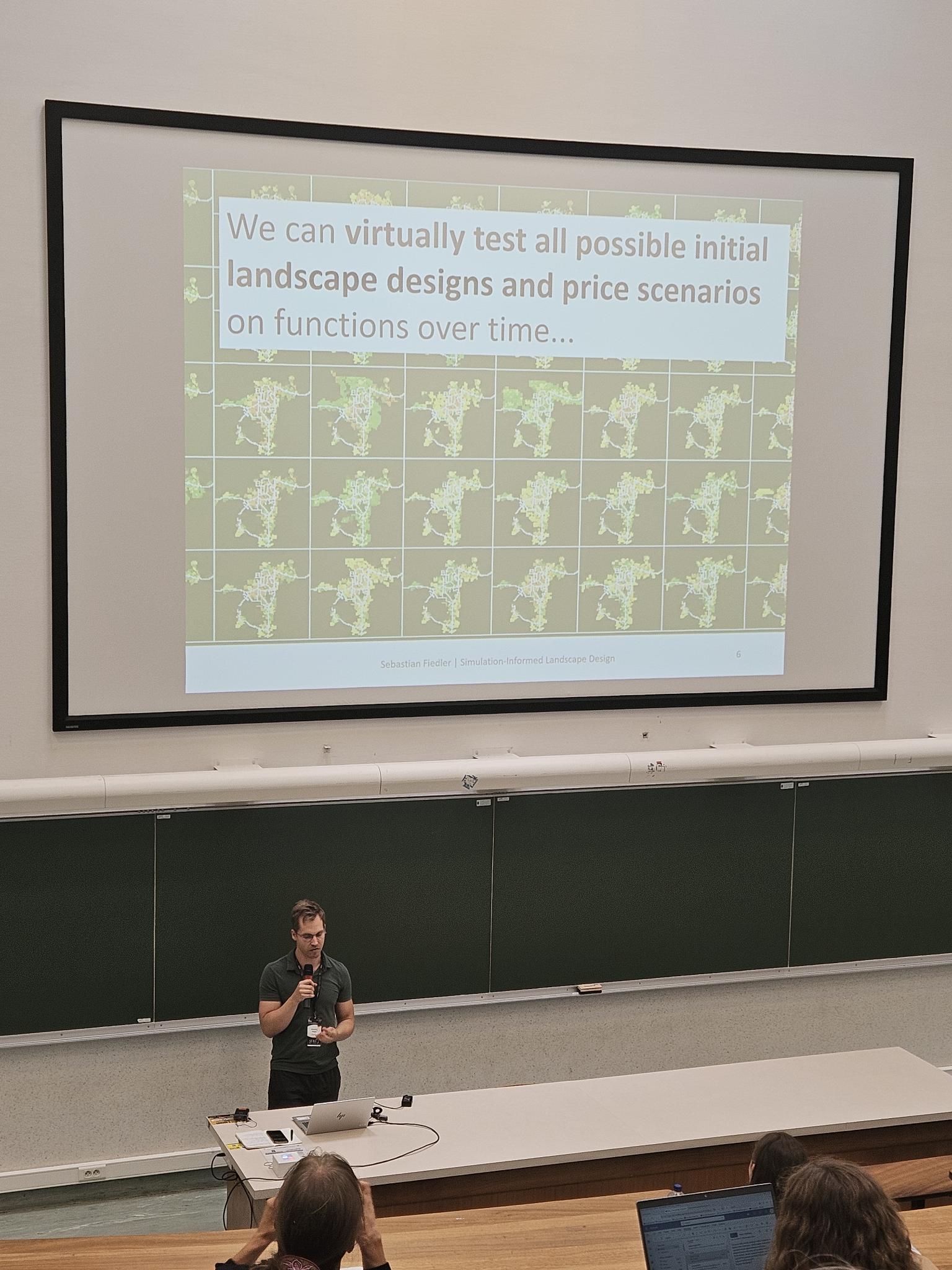
Oral Presentation: Simulation-Informed Landscape Design for Restoring Ecological Functions in Tropical Agricultural Landscapes
Complementing the practical introduction to simulation modelling, my oral presentation focused on applying ecological-economic models to evaluate restoration-oriented landscape designs in tropical agricultural landscapes.
Land-use change has transformed many tropical landscapes from forests into agriculturally dominated systems, often resulting in simplified monocultures and degraded ecological functioning. Agricultural land uses such as rubber and oil palm plantations provide socio-economic benefits but frequently reduce ecological functions, creating trade-offs that challenge long-term multifunctionality. Ecological functions also respond differently to landscape configuration. Consequently, key questions arise about how landscapes can be designed to restore multiple ecological functions while maintaining viable livelihoods under fluctuating commodity prices.
To address this challenge, we developed the ecological-economic land-use change model EFForTS-ABM, based on data from Indonesia. The model simulates spatially explicit land-use decisions by smallholder farmers and their consequences for economic outcomes from crop production, as well as ecological functions such as carbon pools, biological pest control, and biodiversity. Using EFForTS-ABM, we simulated alternative landscape designs with varying degrees of ecological connectivity under different price scenarios for rubber and palm oil. We then assessed landscape-level ecological and socio-economic functions and the trade-offs among them over time.
Our results show that individual ecological functions respond differently to changes in landscape designs, resulting in differences in the magnitude of trade-offs with socio-economic functions. In addition, temporal land use changes, driven by crop price fluctuations, alter restoration outcomes and trade-offs over time. These findings provide a basis for identifying landscape designs that support the restoration of multiple ecological functions while sustaining long-term economic benefits and demonstrate the usefulness of ecological-economic land-use change models such as EFForTS-ABM for evaluating restoration-oriented landscape designs under changing socio-economic conditions.
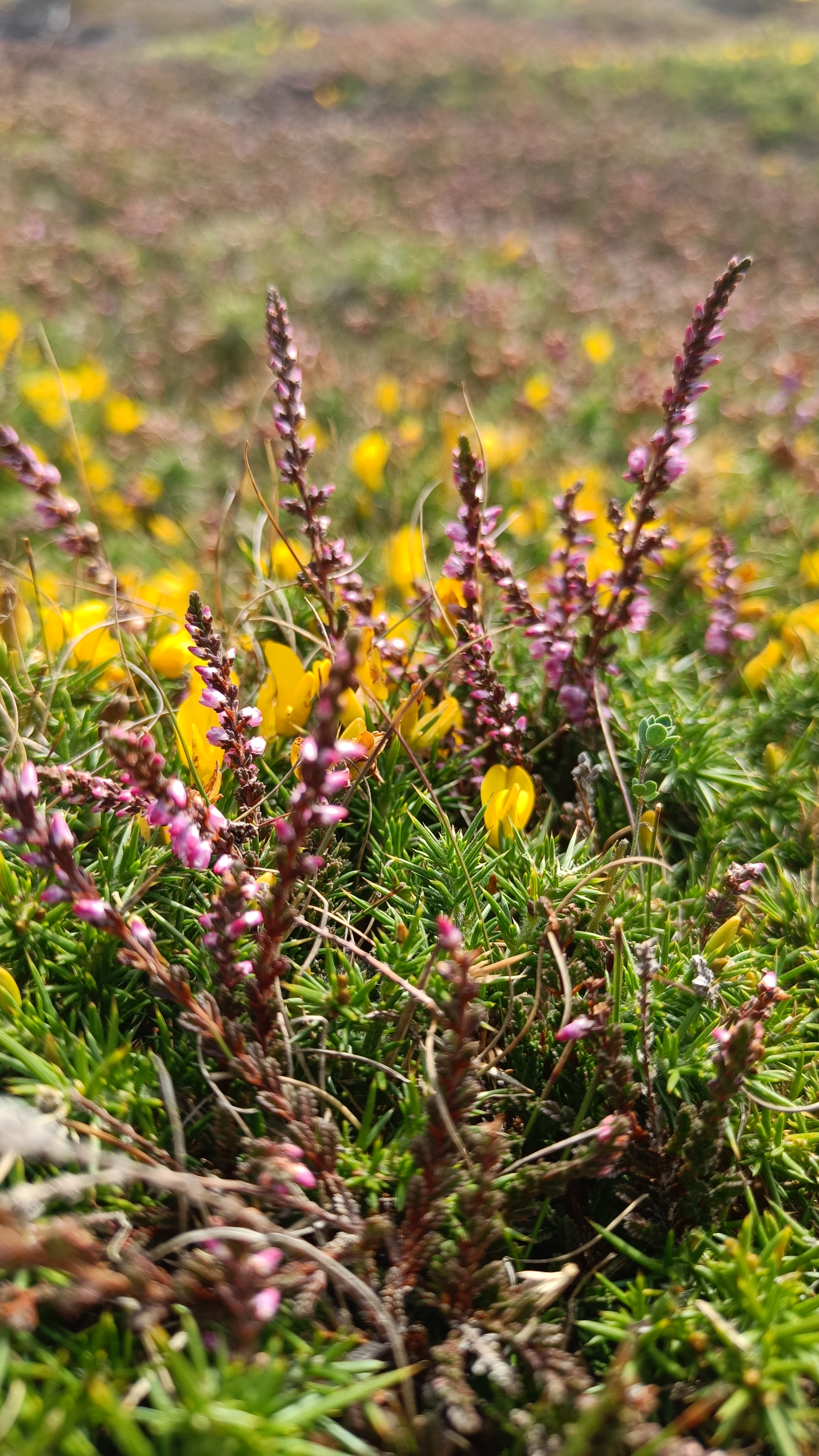
Field Trip: Restoring Coastal Heathlands and Grasslands on Ouessant Island
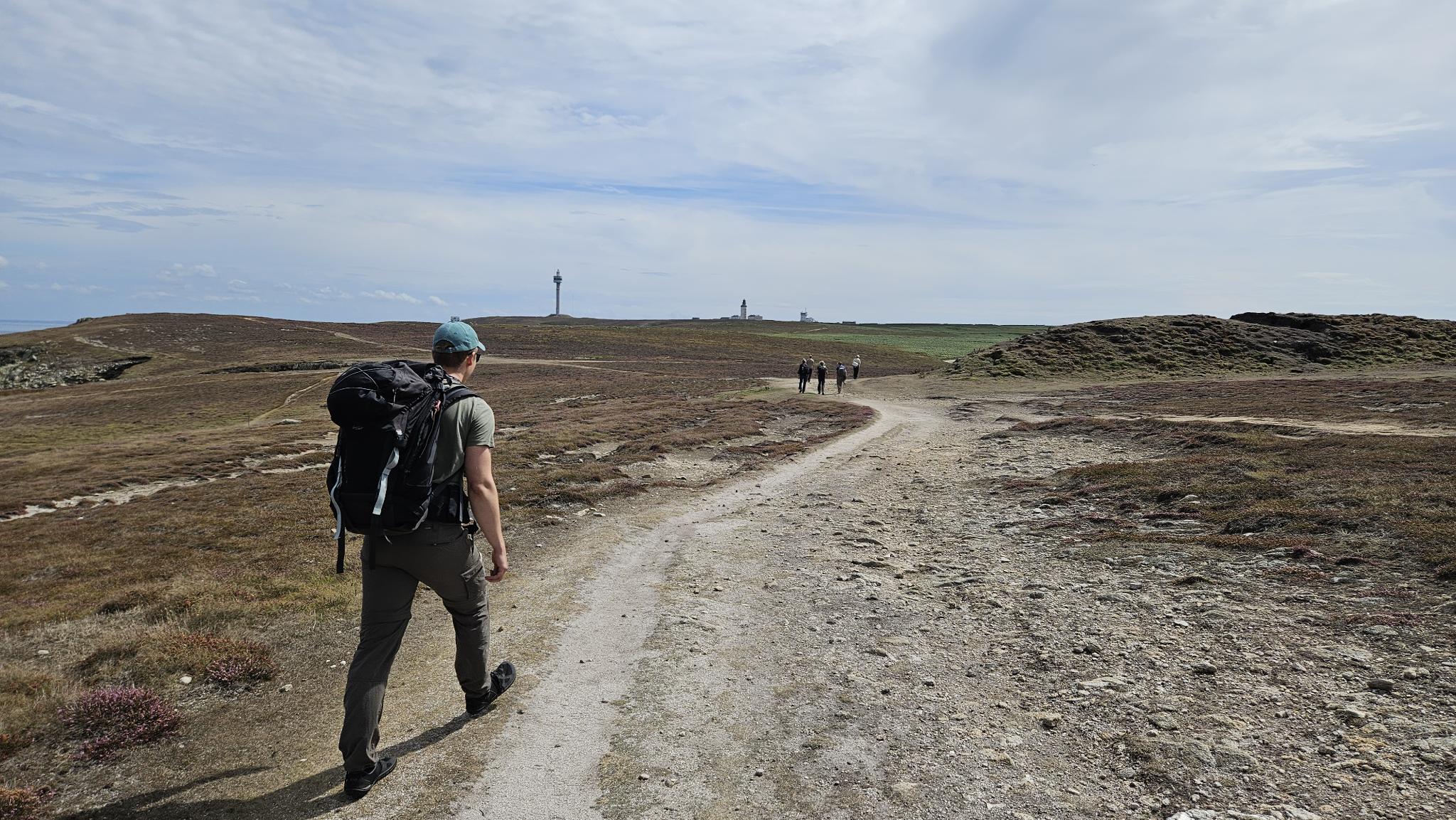
Beyond the conference sessions and scientific presentations, the field trip to Ouessant Island provided an opportunity to explore ecological restoration directly in the field, with a focus on coastal heathlands and grasslands.
The Armorique Regional Natural Park is the State-designated manager of the inhabited terrestrial parts of the Natura 2000 site “Ouessant-Molène.” As such, it implements a management strategy aimed at maintaining and restoring habitats in good ecological condition.
The visit presented management actions implemented on the island, including:
-
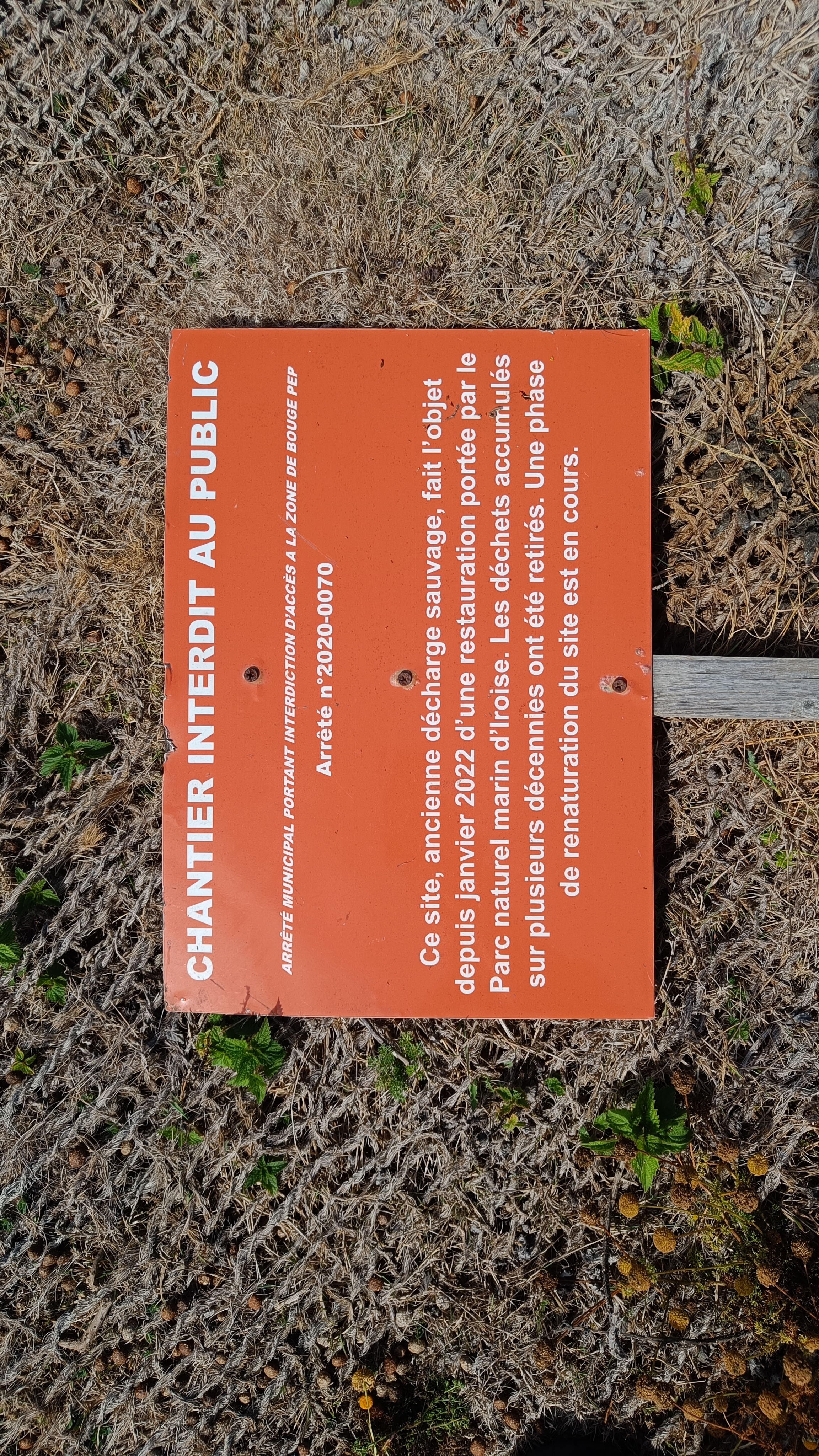
Restoration of the Bouge Pep landfill
-
Study of the dynamics of Ouessant’s coastal moors and associated management
The excursion was organized by the Parc Naturel Régional d’Armorique in collaboration with the University of Brest and CEMO.
Looking Back on SERE 2026
SERE 2026 in Brest was a memorable experience combining scientific exchange, practical learning, and field-based insights into ecological restoration. Teaching my first conference training course was certainly a personal highlight, while the presentation and field trip offered valuable opportunities to exchange ideas and explore restoration challenges from different perspectives.
The combination of modelling, scientific research, and practical restoration management made the conference particularly inspiring and provided plenty of ideas for future research and restoration activities.

Sebastian Fiedler
Postdoctoral researcher
I am a researcher in the Department of Plant Ecology at the Technische Universität Berlin in Germany. I am applying simulation modelling and empirical approaches to assist restoration of degraded ecosystems people rely on for their well-being.